
Page 2
Corey Sanders, director of compute, Microsoft Azure, Microsoft Corp and Scott Aylor, corporate vice president and general manager of Enterprise Solutions:
“We’re welcoming AMD’s new EPYC processor to Microsoft Azure with the next generation of our L-Series Virtual Machines. The new Lv2-Series are High I/O, dense storage offerings which make EPYC perfect for Azure customers1 demanding workloads. We’ve enjoyed a deep collaboration with AMD on our next generation open source cloud hardware design called Microsoft‘s Project Olympus. We think Project Olympus will be the basis for future innovation between Microsoft and AMD, and we look forward to adding more instance types in the future benefiting from the core density, memory bandwidth and I/O capabilities of AMD EPYC processors.” Corey Sanders, director of compute, Microsoft Azure, Microsoft Corp, said.
“We are extremely excited to be partnering with Microsoft Azure to bring the power of AMD EPYC processors into their datacenter,” said Scott Aylor, corporate vice president and general manager of Enterprise Solutions.
“There is tremendous opportunity for users to tap into the capabilities we can deliver across storage and other workloads through the combination of AMD EPYC processors on Azure. We look forward to the continued close collaboration with Microsoft Azure on future instances throughout 2018.” said Scott Aylor, corporate vice president and general manager of Enterprise Solutions.
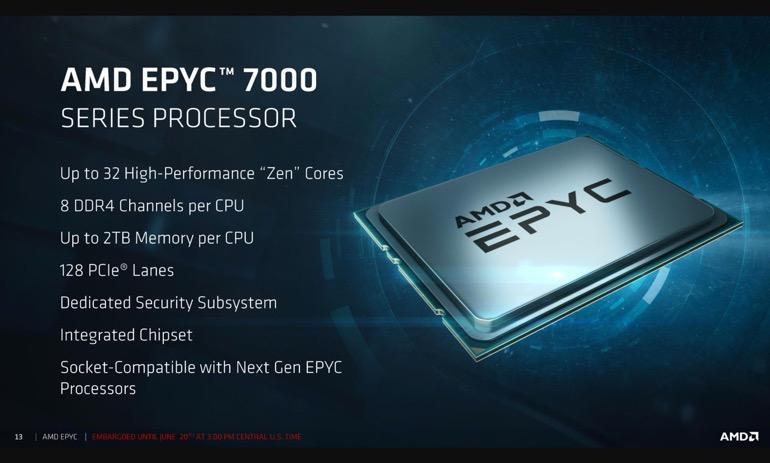
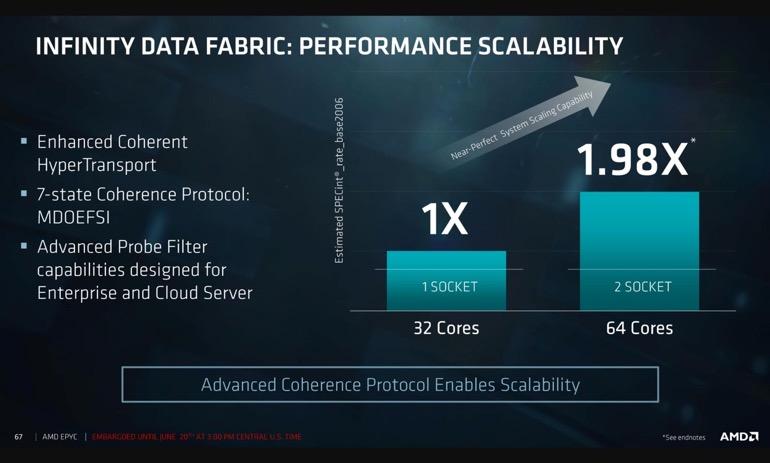
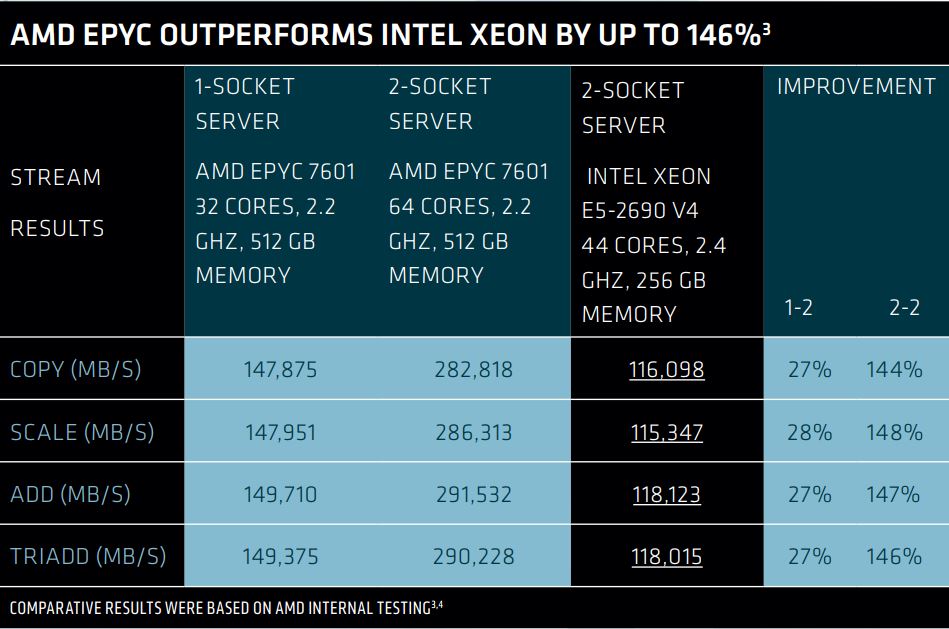
The AMD EPYC™ 7601 system on chip (SoC) races
past the Intel Xeon processor E5-2690 v4 CPU in
memory bandwidth by 146% on 2P servers
Tags: Technology, AMD, microsoft, amd and microsoft, amd epyc, amd cpu, cpu, cload storage microsoft,

CONTACTS DETAILS &FOR MORE INFO:
https://www.ultragamerz.com/contact/
- Solana Soars: Could a $450+ SOL Ignite a Meme Coin Frenzy? - June 26, 2024
- Rainbow Six Siege – Official Marketplace Trailer - June 25, 2024
- ImagenAI Poised for Takeoff: Can This Ethereum-Based AI Coin Go 20x? - June 25, 2024